What to know about tight stair removals in Haringey
Tight stair removals can turn a straightforward move into a proper puzzle. In Haringey, where you'll find a mix of period conversions, maisonettes, basement flats, and compact Victorian terraces, stairwells are often narrow, awkward, or full of sharp corners that make large furniture feel suddenly enormous. If you are trying to move a sofa, wardrobe, bed frame, or office desk down one of those stairs, the challenge is usually not the weight alone. It is the angle, the landing space, the banister, and the simple question: how on earth does this item get out without damage?
This guide on What to know about tight stair removals in Haringey breaks down the practical side of the job in plain English. You will learn how these removals work, why planning matters, what can go wrong, and how to prepare so moving day feels controlled rather than chaotic. To be fair, a lot of stress disappears once you know what to measure and what to leave to the professionals.
Whether you are moving from a top-floor flat, helping a relative clear a property, or shifting a few awkward bits of furniture after a refurbishment, the same principles apply: measure carefully, protect the property, use the right lifting method, and keep the route as clear as possible. There is a lot more to it than just "getting it down the stairs".
Table of Contents
- Why tight stair removals in Haringey matter
- How the process works
- Key benefits and practical advantages
- Who needs this service and when it makes sense
- Step-by-step guidance
- Expert tips for better results
- Common mistakes to avoid
- Tools, resources and recommendations
- Law, compliance, standards and best practice
- Options, methods and comparison table
- Case study or real-world example
- Practical checklist
- Conclusion
- Frequently asked questions
Why tight stair removals in Haringey matter
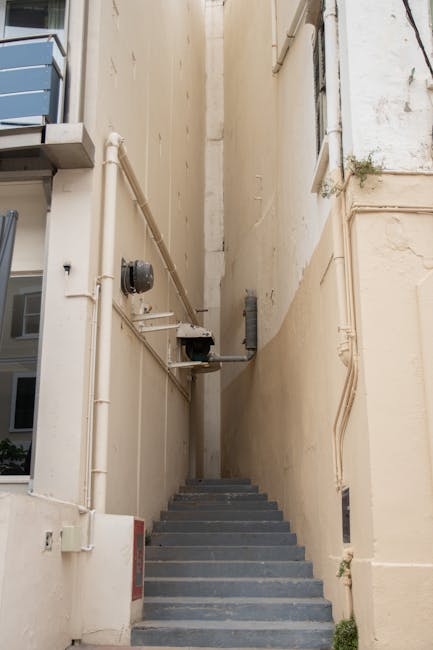
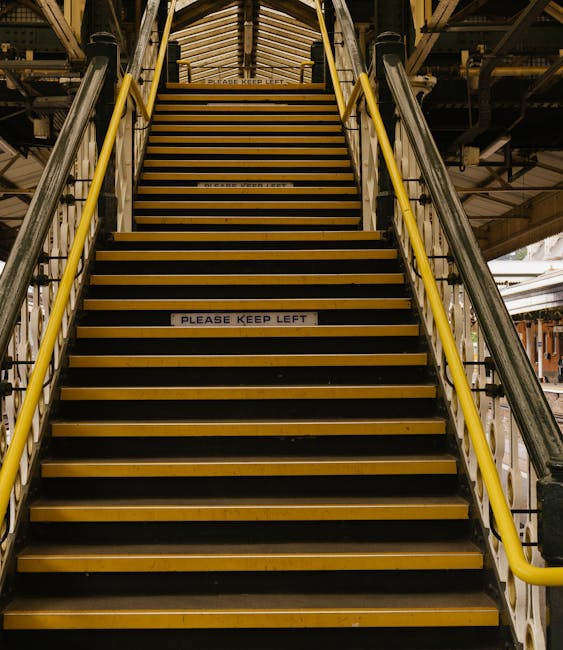
Stair access changes everything. A move that looks simple on paper can become slow, risky, and expensive if the stairwell is too narrow for the furniture or too tight for a safe two-person carry. In Haringey, this matters because many homes have features that make access tricky: steep staircases, turns on the first landing, low ceilings, small communal hallways, or doors that open in the wrong direction. It is not dramatic; it is just the reality of older housing stock and converted buildings.
The stakes are practical. If an item gets caught on a banister, it can scratch walls, dent woodwork, or damage the item itself. If movers cannot carry safely, they may need to remove part of the furniture, change the route, or use a different lifting method. And if no one has checked the access beforehand, the whole day can drag. That is when a move stops being a move and starts feeling like a slow-motion argument with geometry.
It also matters for safety. Tight stair spaces increase the chance of slips, strains, and awkward lifts. Even a small item can become cumbersome if the staircase is steep or the landing is cramped. A well-planned approach reduces the risk of injury and keeps the move under control from the first box to the last chair.
If you are planning a full property move rather than a single-item job, it may help to look at broader support such as house removals or flat removals, especially where access is limited and timing matters.
How tight stair removals in Haringey works
The process usually begins with an access check. This may be done from photos, measurements, or a quick walk-through if the job is more complex. The goal is to understand the staircase width, the height and depth of each landing, whether there are sharp turns, and whether items need to be dismantled before moving. Simple enough in theory. In practice, people often underestimate the awkward bits.
Once the route is understood, the mover plans the safest removal method. That could mean:
- breaking down furniture into smaller sections
- removing feet, handles, or headboards
- wrapping fragile surfaces before movement
- using shoulder straps, sliders, or protective blankets
- planning a two-person or three-person carry for long or heavy items
- choosing to move an item on its side if the structure allows it
The job then follows a careful sequence: protect the property first, clear the route, remove obstacles, and move items one at a time. No rushing. Tight stair removals are won by patience, not bravado.
In many cases, the most efficient solution is to pair removal support with packing or dismantling help. For example, if a wardrobe is too large for the staircase, removing it safely may require partial disassembly before the move. If you need help getting everything boxed and ready, packing services can reduce the pressure on the day.
A practical note: if your move includes items that do not need to go directly into the new property, short-term holding can simplify the whole process. Some people use removals and storage so the bulky pieces are kept safely while access, decorators, or keys are sorted out.
Key benefits and practical advantages
The biggest benefit is avoiding damage. Narrow staircases are unforgiving, and even a tiny misjudgement can leave chips in paintwork or scuffs on furniture. A careful tight-stair approach keeps the property looking as it should and helps preserve the item being moved.
Another benefit is time saved. It sounds counterintuitive, but the right planning often makes a move faster. If furniture has been measured in advance, wrapped correctly, and assigned a route, movers can work with confidence rather than stopping every few minutes to rethink a turn. That makes a visible difference on the day.
You also get better control over the stress of the move. People tend to feel far calmer when they know who is moving what, in which order, and what the backup plan is if a sofa does not fit. There is a quiet comfort in that. It takes the guesswork out of the whole thing.
For Haringey residents, there is also a local advantage. A team that regularly handles compact London properties is more likely to anticipate things like limited parking, shared entrances, tight hallways, and awkward access from the street. That matters, especially if you are moving in a busier part of the borough where timing and kerb space are never quite simple.
And if you only have a small number of items to move, you may not need a full-scale removals crew. In that case, small removals or a flexible man and van option can be a sensible fit.
Who this is for and when it makes sense
Tight stair removals are for anyone moving items through a staircase that feels, well, just a bit too honest about its size. That includes people in maisonettes, top-floor flats, conversions, older terraces, basement properties, and student lets where stair width can be narrow and turning space is limited.
It makes sense when you are moving:
- large furniture such as sofas, wardrobes, and beds
- appliances that are heavy or awkward to angle
- box loads that are manageable individually but difficult in quantity
- fragile items where a careful carry is better than a rushed one
- multiple pieces from a home office, rental property, or shared flat
It is also useful if you are not quite sure whether a piece will fit. Many people assume a sofa will not go and then discover, after a better angle or minor dismantling, that it absolutely can. Others assume it will be fine and find the stair corner has other ideas. Truth be told, both happen a lot.
If the property is part of a larger move, browsing options like local removals or removals can help you match the service to the scale of the job without overcomplicating things.
Step-by-step guidance
Here is the cleanest way to approach a tight stair removal in Haringey.
- Measure the furniture and the staircase. Measure height, width, and depth of the item. Then check the narrowest point of the stairwell, the width of each landing, and the height at any ceiling slope or turn.
- Photograph the access route. Photos are surprisingly useful. Include the front entrance, internal stairs, landings, doors, and any tight corners. A few well-taken pictures can save a lot of back-and-forth.
- Decide what can be dismantled. Wardrobes, bed frames, tables, and some shelving units are often easier to remove in sections. Keep screws and fittings in labelled bags. Sounds obvious, but people still forget this at least once.
- Clear the route fully. Remove mats, shoes, hall furniture, bins, and anything else that could snag a foot or catch an item on the way through.
- Protect the property. Use covers, blankets, or edge protection where the furniture might brush a wall, banister, or doorframe.
- Agree the order of movement. Move the most difficult item first while energy is high and the route is still clear. A bad first move can make the rest feel worse than they need to.
- Use the right carry technique. Keep communication simple. One person leads, one supports, and both move slowly around turns.
- Pause at tight points. Do not force a turn. Step back, reset the angle, and try again. A short pause is better than a cracked plaster corner.
- Check the item after removal. Look for damage, loose fittings, or lifted joints before loading it away.
If the item still does not fit, a fallback plan matters. That might mean moving it via an alternative route, dismantling further, or using storage for part of the load. For longer holding periods, short-term storage can be a helpful pressure valve.
Expert tips for better results
Start with the awkward item, not the easy one. The first ten minutes of a move often tell you whether the rest will flow or whether the staircase is going to be the main character in the story. If a sofa makes it through, the mood changes immediately. If it does not, you want time on your side.
Use bright, even lighting if possible. Tight stairs often feel narrower in dim light, and poor visibility makes team communication harder. A small detail, yes, but it helps more than people expect.
Wrap corners and vulnerable edges before the move begins, not after the item has already clipped a wall. People often wait too long on this. Then it is too late. A bit of protective wrapping is far cheaper than repainting a stairwell.
Keep verbal instructions short. "Lift," "pause," "pivot," and "clear" are much better than a long stream of panic. No one wants a running commentary while carrying a heavy wardrobe down a flight of stairs, let's face it.
Finally, be realistic about the item. If something is over-size, badly made, or already a little wobbly, forcing it through a tight stairway can make the problem worse. Sometimes the smartest move is a partial dismantle plus storage, or a different route entirely.
Common mistakes to avoid
One of the most common mistakes is measuring the item but not the staircase. That sounds almost too basic to mention, yet it happens constantly. The final bend, not the first straight run, is usually where things fail.
Another mistake is forgetting the landing space. A staircase can be wide enough until the item reaches the turn. Then suddenly, there is nowhere to rotate it. That is where many DIY attempts grind to a halt.
People also forget to protect the route. A narrow stairwell can collect damage very quickly if bare furniture is dragged, swivelled, or squeezed through by force. A few seconds of care saves hours of repair later.
Overpacking boxes is another one. It is tempting to squeeze in "just one more thing," but on stairs, a box that is too heavy or too awkward becomes hard to angle safely. Better to keep boxes manageable and consistent.
And then there is the classic mistake: not planning where everything goes once it arrives. If the ground floor is blocked, if the new flat has no space to unpack, or if items need to wait for the next room to be ready, the move gets stuck halfway. When that happens, storage can keep the day moving. Services such as self storage or household storage can take the pressure off.
Tools, resources and recommendations
You do not need a warehouse full of specialist equipment, but a few well-chosen tools make tight stair removals much smoother.
- Protective blankets: for doorframes, banisters, and furniture surfaces.
- Furniture sliders: useful where items need to be repositioned before lifting.
- Ratchet straps or lifting straps: helpful for controlled carrying.
- Labels and marker pens: especially useful if furniture is dismantled.
- Strong tape and bags for fittings: keeps screws and fixings together.
- Gloves with grip: reduce slipping and improve control.
- Tape measure: a small thing, but absolutely essential.
For property owners and business clients, it can also help to think about the full moving picture. If you need to move files, stock, or equipment alongside furniture, office removals, business storage, or document storage may be more useful than trying to force everything into one same-day plan.
Sometimes the best resource is a clear, careful quote. A service like pricing and quotes helps you compare what is included, what may cost extra, and whether access challenges have been accounted for from the beginning.
Law, compliance, standards and best practice
Tight stair removals are not usually about legal complexity, but they do involve sensible duties around safety, property care, and fair handling of goods. In the UK, moving work should be carried out with proper attention to manual handling risks, safe lifting, and the general duty to avoid injury where reasonably possible. That is especially true in properties with restricted access, because the margin for error is smaller.
Best practice usually includes:
- carrying out a basic access assessment before the move
- using enough people for the weight and size of the item
- protecting walls, floors, and fittings where contact is likely
- not forcing an item through a space that is too tight
- communicating clearly during lifts and turns
Insurance and safety matter too. If you are comparing providers, ask how items are protected during stair carries, what happens if access turns out to be tighter than expected, and whether the company has a clear process for handling accidental damage or difficult access. A little caution here goes a long way. You do not want a cheerful promise and then a shrug on moving day.
If these practical questions are important to you, it is worth reviewing the company's approach to insurance and safety, as well as its health and safety policy. Those pages can help set expectations before the van even arrives.
Options, methods and comparison table
Not every tight stair removal needs the same approach. The right choice depends on the item, the staircase, and how much time you have. Here is a simple comparison to make that clearer.
| Method | Best for | Pros | Watch out for |
|---|---|---|---|
| Manual carry with two or more movers | Most boxes, chairs, and medium furniture | Flexible, quick, controlled | Can struggle with very large items or narrow turns |
| Partial dismantling | Wardrobes, beds, desks, shelving | Makes oversized items fit more easily | Needs time, tools, and organised fittings |
| Protective wrapping and slow pivoting | Fragile furniture and painted stairwells | Reduces scuffs and impact damage | Still requires enough space to turn safely |
| Storage-assisted move | Mixed loads, delayed access, phased moving | Removes pressure from the day | Needs extra planning and coordination |
In some cases, storage is not a backup plan at all; it is the main plan. If the staircase is too tight for a full load, or if you are moving in stages, then a flexible storage option can keep everything calm and orderly. Mobile self storage is especially useful when you want the loading to happen with less pressure at the property itself.
Case study or real-world example
Imagine a third-floor flat in Haringey with a narrow staircase that turns sharply at the first landing. The customer needs to move a double bed, a two-seater sofa, a chest of drawers, and six boxes. On inspection, the sofa fits upstairs but looks unlikely to come back down in one piece. The bed frame, though, can be dismantled.
Instead of trying to carry everything at once, the movers start by stripping the bed, bagging the fittings, and wrapping the headboard. The sofa is measured against the stairwell and rotated carefully, but it still catches on the turn. Rather than forcing it, the team changes plan, removes the legs, and rechecks the angle. That is enough. The sofa clears with a bit of patience and a lot less drama than a brute-force attempt would have created.
The chest of drawers is moved next, with the route protected by blankets. The boxes go last because they are the easiest items and the least likely to cause trouble. The whole move takes longer than a standard ground-floor job, naturally, but the property is undamaged, the furniture is intact, and nobody has to apologise for a dent in the stair rail. Not a bad outcome.
That kind of result is typical when the process is planned properly. It is not glamorous, but it works.
Practical checklist
Use this quick checklist before your move day arrives.
- Measure the widest and narrowest points of the staircase
- Measure every item you plan to move
- Check whether furniture can be dismantled
- Photograph the route, including landings and turns
- Clear hallways, steps, and door thresholds
- Protect floors, walls, and bannisters
- Label fittings, cables, and hardware bags
- Keep boxes at a manageable weight
- Decide whether storage is needed for part of the load
- Confirm access, parking, and timing in advance
- Ask about insurance and safety procedures
- Have a backup plan if an item does not fit
Quick summary: tight stair removals work best when the access is measured properly, the items are prepared in advance, and the route is protected before the first lift begins. The more awkward the stairwell, the more valuable that preparation becomes.
Conclusion
What to know about tight stair removals in Haringey comes down to one simple truth: access is often the whole job. If the staircase is narrow, steep, or awkwardly shaped, careful planning matters more than speed. Measure first, dismantle where needed, protect the property, and do not underestimate how much easier the move becomes when everyone knows the route and the order of operations.
That applies whether you are moving a single bulky item or managing a full flat clearance. It also applies whether you are renting, buying, downsizing, or just trying to get a sofa through a stairwell that seems to have a personal grudge. The good news is that with the right preparation, tight stairs are manageable. Most of the stress is avoidable.
If you are planning a move and want to reduce the uncertainty around access, it is worth exploring the supporting services that fit your situation, from removals and storage to specialist packing and storage help. A little structure goes a long way, honestly.
Get a free quote today and see how much you can save.
Frequently Asked Questions
What counts as a tight stair removal?
A tight stair removal usually means any move where the staircase, landing, or hallway is too narrow, steep, or awkward for easy item movement. It often involves large furniture, sharp turns, or limited space to pivot safely.
How do I know if my sofa will fit down the stairs?
Measure the sofa at its widest point, then compare that with the stair width, landing depth, and turning space. If you are unsure, take photos and look at whether the sofa can be angled or partially dismantled.
Do I need to dismantle furniture before a tight stair move?
Often, yes. Beds, wardrobes, desks, and shelving units are usually easier to move in sections. Dismantling can be the difference between a smooth carry and a very awkward one.
Can tight stair removals be done in older Haringey properties?
Yes, but older properties often need more careful planning because staircases may be steeper or narrower than modern ones. That is especially common in conversions and older terraces.
What happens if an item does not fit halfway through the move?
The team should stop, reassess the angle, and decide whether partial dismantling or a different carrying method will help. Forcing the item is usually the wrong move and risks damage.
Is storage useful for difficult stair access?
Very often. If the item cannot be moved safely in one go, or if the new property is not ready yet, storage can keep the move organised and reduce pressure on the day.
How can I protect my walls and bannisters during the move?
Use protective blankets, covers, and careful route planning. The key is to protect corners and narrow contact points before the item starts moving, not after.
Are tight stair removals more expensive?
They can be, because they may take longer and require more labour or special handling. The exact cost depends on the access, the size of the items, and whether dismantling or storage is needed.
Should I book packing help as well?
If you have lots of items, fragile belongings, or a deadline, packing help is often a smart addition. It saves time and reduces the chance of boxes being overfilled or poorly labelled.
What should I tell the removals team before moving day?
Tell them about staircase width, landing turns, floor level, item sizes, parking restrictions, and any items that need dismantling. Photos are very useful too, especially for tight access.
Can a man and van service handle tight stairs?
Yes, provided the item is suitable and the access has been checked. For smaller loads or a few bulky items, a flexible man and van service can be a practical option.
What is the best first step if I am worried about access?
Start with measurements and photos. Once you know the real constraints, you can decide whether you need dismantling, storage, packing support, or a more specialised removals service.