Crouch End removals guide for narrow street access
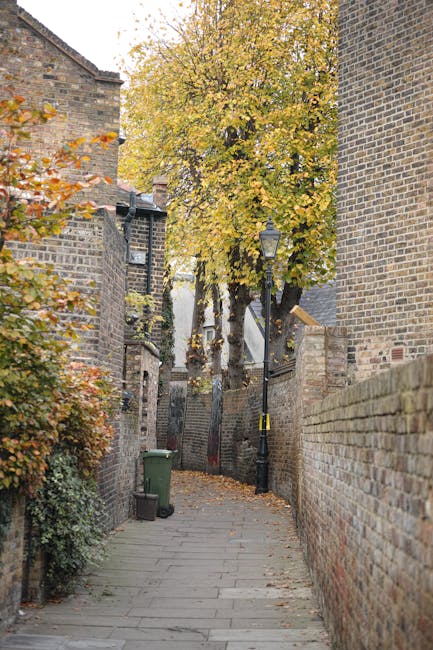
Moving home in Crouch End can feel straightforward on paper, then suddenly get tricky the moment you look at the street outside. Tight turns, parked cars, low-hanging branches, awkward terraces, steep gradients, and the classic London "just one van can fit here" moment can all change the whole moving day. This Crouch End removals guide for narrow street access is here to help you plan properly, avoid stressful surprises, and make the move feel calm rather than chaotic.
If your road is one of those places where a standard removals lorry may struggle, the answer is not to panic. It is to plan the access like a pro. That means checking vehicle size, lift points, parking, walking routes, timings, and where the awkward bits are before anyone turns up with boxes in their hands. Done well, a narrow street move can still be smooth. In our experience, the difference is usually in the prep, not brute force.
For the next step, you may also find it useful to request a tailored removals quote once you have a rough idea of your property type and access issues. If you need to talk through a difficult loading point, the team at Storage Haringey contact page can be a sensible place to start.
Table of Contents
- Why Crouch End removals guide for narrow street access Matters
- How Crouch End removals guide for narrow street access Works
- Key Benefits and Practical Advantages
- Who This Is For and When It Makes Sense
- Step-by-Step Guidance
- Expert Tips for Better Results
- Common Mistakes to Avoid
- Tools, Resources and Recommendations
- Law, Compliance, Standards, or Best Practice
- Options, Methods, or Comparison Table
- Case Study or Real-World Example
- Practical Checklist
- Conclusion
- Frequently Asked Questions
Why Crouch End removals guide for narrow street access Matters
Crouch End has a very particular feel: handsome period homes, busy residential roads, and plenty of places where parking is a small battle in itself. That charm is lovely. It also means removals can become complicated fast if the vehicle cannot pull close enough to the front door.
Narrow street access matters because every extra metre between the van and the property adds time, effort, and risk. Boxes get carried farther. Sofas get manoeuvred around bins, gates, and other parked cars. The crew may need to make more trips. If the route is badly planned, even a small move can become the sort of day where everyone is a bit too hot, a bit too tired, and slightly less cheerful than they were at 8am.
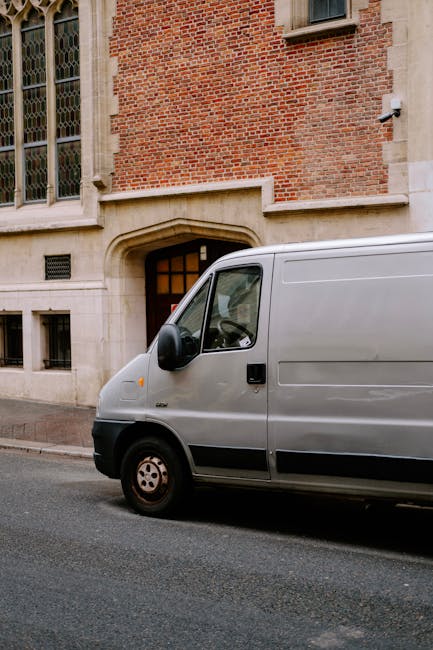
The practical issue is simple: access affects cost, timing, and safety. A removals team might need a smaller vehicle, a shuttle system, extra porters, or a different loading plan. Sometimes the best move is to use a larger van to a nearby wider road and then transfer items into a smaller vehicle for the final approach. Other times, careful parking control and a shorter carry is enough. The point is to match the method to the street, not force the street to fit the plan.
This is also why local knowledge helps. A crew familiar with moving in North London will usually think about resident parking, busy school runs, one-way streets, and the tiny practical things that outsiders miss. That kind of awareness can save a lot of faff.
How Crouch End removals guide for narrow street access Works
At its core, a narrow street move works by reducing friction before moving day. That means identifying what blocks access, deciding what size of vehicle can actually reach the property, and planning how items will travel from home to van in the safest possible way.
Here is the typical process:
- Assess the access in advance. Measure road width if you can, note parked-car pinch points, and look at turning space at both ends of the street.
- Check the loading distance. Count how far items must be carried from the front door to the vehicle.
- Choose the right vehicle size. Bigger is not always better if the street cannot take it. Sometimes a smaller van is the smarter choice.
- Plan the timing. Early morning can be calmer, but it depends on resident parking, bin collections, and school traffic. Crouch End can get lively quite quickly.
- Decide whether you need a shuttle. A larger truck may park on a wider road while a smaller vehicle handles the final stretch.
- Prepare the property. Clear hallways, protect floors, and make sure boxes are organised so loading is efficient.
There is a surprisingly big difference between a move that is "possible" and a move that is "efficient". A narrow street may still be workable, but only if the practical details line up. If they do not, you can lose time every few minutes. That sounds small, but by lunchtime it can feel huge.
When a removals provider knows what they are doing, they will ask about the width of the road, parking restrictions, stairs, lifts, and whether there are any awkward items such as wardrobes, pianos, or large mirrors. Good questions. The boring questions are often the ones that save the day.
Key Benefits and Practical Advantages
Planning properly for narrow street access brings benefits that go beyond convenience. It can make the entire move safer and less expensive, and it usually reduces the chance of last-minute improvisation. Truth be told, improvisation is charming in some areas of life. Removals is not one of them.
- Less manual carrying risk. A shorter carry generally means fewer chances of scuffs, trips, and strained backs.
- Better timing. A clear access plan helps crews work faster and stay organised.
- Lower stress. You are not trying to solve parking, loading, and traffic all at once on moving day.
- Cleaner budget control. When access is known early, estimates are more realistic.
- Fewer delays for neighbours. Good planning keeps pavements, entrances, and roads less obstructed.
There is also a quiet confidence that comes from knowing your move has been thought through properly. You are not crossing your fingers and hoping the van "somehow" fits. You know the plan. That matters more than people realise.
For homeowners and renters alike, planning access well can also make it easier to organise storage, temporary holding, or staggered move dates. If that sounds relevant, it can help to log in or review your move details through the client area for moving and storage planning, especially if you are coordinating a wider relocation.
Who This Is For and When It Makes Sense
This guide is especially useful if you are moving from or into a property on a narrow Crouch End road where access is limited by parked vehicles, tight junctions, or tight front gardens. It is also relevant if you live in a terrace, flat conversion, maisonette, or period property with awkward stairs and not much room outside.
You may need this approach if:
- your street is too narrow for a standard removals lorry to stop outside the property;
- the only available parking is on a nearby side road;
- there are bollards, trees, or sharp corners nearby;
- your home is above ground floor and items must be carried upstairs;
- you are moving at a busy time of day and access will be squeezed;
- you have bulky furniture that needs careful handling through tight hallways.
It also makes sense if you are comparing providers and want to know whether a company actually understands local street conditions. A quote may look similar on the surface, but the access assumptions underneath can be completely different. One company may assume a large vehicle right outside. Another may plan for a more realistic approach. That difference can be the difference between a smooth day and a messy one.
If you are still in the planning stage, a well-structured quote request for a Crouch End move is usually the smartest first move. It helps a provider judge vehicle size, crew numbers, and any access complications before they confirm the job.
Step-by-Step Guidance
If you want to keep things simple, follow this sequence. It works whether you are moving a one-bed flat or a family home with the usual pile of "where did all this come from?" items.
1. Measure the street and identify pinch points
Start with the obvious stuff. Can a van pass parked cars? Is there room to reverse safely? Are there sharp bends, school gates, or junctions nearby? You do not need to be a surveyor. Even a few photos and rough measurements can help a removals team make a sensible plan.
2. Check parking restrictions early
Parking controls matter. A good plan should consider permit zones, double yellow lines, permit bays, and possible waiting restrictions. If a van cannot legally stop close to the property, your loading route changes instantly. And that means time changes too.
3. Decide whether a smaller vehicle is better
Many people assume one big van is always the answer. Sometimes it is. Sometimes a smaller van, or even a shuttle arrangement, is more practical because it can actually get to the door without blocking the street.
4. Sort the furniture by difficulty
Place the awkward items first in your mind: sofas, mattresses, wardrobes, mirrors, white goods. These are the things that tend to slow everything down. If something is especially bulky, tell the removals team in advance so they can decide whether it needs dismantling or extra hands.
5. Prep the inside route
Inside the home, make the walking line as clean as possible. Remove doormats, move shoes, tape back loose cords, and protect corners if needed. Narrow street moves often come with narrow hallways too. It is rarely just one challenge.
6. Build in a buffer
A small time buffer is wise. Traffic, weather, a neighbour's delivery van, or a refuse truck can change the plan. You do not want a schedule that only works if everything goes perfectly. That way madness lies.
7. Confirm the plan the day before
A quick confirmation call or message can settle the small details: arrival time, vehicle type, entry instructions, contact numbers, and anything unusual on the road. A two-minute check can save twenty minutes of confusion.
One practical tip many people forget: take a short walk from the property to the nearest wider road and think like a mover. Where would a van stop? Where would you carry the sofa? Where might it snag? That little mental rehearsal can be surprisingly useful.
Expert Tips for Better Results
Here are the details that tend to make the biggest difference in Crouch End and similar London streets. Not flashy. Just effective.
- Use photos, not just descriptions. "Narrow road" means different things to different people. A few clear photos are worth a lot.
- Keep access notes concise but specific. Mention road width, stair count, parking limits, and whether the property is on a hill.
- Move your own car first. If you have a vehicle parked nearby, get it out early. Sounds obvious, but people forget.
- Label fragile items and awkward items clearly. This helps crews handle them in the right order.
- Leave enough space at the front door. Even half a metre can matter when a crew is turning a wardrobe or mattress.
- Think in loading sequences. Heavy items first, then medium, then smaller boxes. Don't let the van become a puzzle box.
To be fair, the best advice is usually the least dramatic: tell the truth about the access. If the road is awkward, say so. If the van cannot park outside, say that too. It is much better to over-explain slightly than to leave the team guessing.
And if you have a particularly awkward move, contact the provider well before the date. A quick chat through the general enquiry page can help clarify what the company needs to know. That sort of conversation often reveals useful small things that do not make it into a standard booking form.
Common Mistakes to Avoid
Most problems with narrow street removals are avoidable. The frustrating part is that they are usually avoidable in the most ordinary way possible: by checking the boring details early.
- Assuming the van will fit. Never rely on hope as a parking strategy.
- Not measuring the access route. Guesswork is not enough when a sofa has to clear a tight corner.
- Ignoring loading distance. A 10-metre carry and a 60-metre carry are very different days.
- Forgetting about neighbours and traffic flow. A blocked street can create tension quickly.
- Leaving dismantling until moving morning. If a bed frame needs taking apart, do it before the pressure starts.
- Failing to mention shared entrances or rear access. These details can change the whole plan.
Another common one: people think they need to hide access problems because they are worried it will make the quote higher. In reality, hiding the issue usually makes the final day harder and the final cost less predictable. Better to be upfront. It saves everyone time.
A slightly messy but honest conversation up front is worth more than a polished disaster on the day.
Tools, Resources and Recommendations
You do not need specialist equipment for every move, but a few useful tools can make narrow access much easier to manage. A lot of these are standard moving aids, which is reassuring because you are not trying to engineer something exotic here.
| Tool or Resource | Why it helps | Best use case |
|---|---|---|
| Measuring tape | Checks doorways, stair gaps, and vehicle fit | Before booking and for furniture planning |
| Phone camera | Provides a visual record of the street and entrance | Sharing access details with the removals team |
| Furniture blankets | Protects items from scuffs and knocks | Longer carries and tight hallways |
| Removal straps and dollies | Makes carrying safer and steadier | Heavy or awkward items |
| Floor protection | Reduces damage risk on entry routes | Rainy days, polished floors, busy entrances |
| Local parking information | Helps avoid preventable access issues | Planning loading and unloading windows |
A simple hand-drawn sketch of the street can also help if the access is genuinely awkward. It does not need to be beautiful. Just useful. Mark where the van could park, where the carry starts, and where the tricky bend is. Old-school, yes. Effective, also yes.
For anyone coordinating storage as part of the move, it can help to keep all booking and access notes in one place using the customer account area for move coordination. Having the paperwork, dates, and notes together makes life easier when plans shift a little.
Law, Compliance, Standards, or Best Practice
With narrow street removals, the main compliance issues are usually practical rather than complicated. You need to think about parking restrictions, safe loading, pedestrian access, and avoiding obstruction. The exact rules will depend on the street and local conditions, so it is sensible to check details carefully rather than assume a standard arrangement will work everywhere.
Best practice in the UK removals sector usually means:
- parking legally where possible and avoiding unnecessary obstruction;
- keeping walkways and entrances safe for residents and neighbours;
- handling heavy items with appropriate lifting technique and equipment;
- communicating access limitations clearly in advance;
- protecting property from avoidable damage during loading and unloading.
If a street is especially tight, the removals plan may need to factor in a safer loading point nearby. That does not necessarily mean the move is more expensive in a dramatic way, but it may change labour time or vehicle choice. The honest answer is that safe access planning is part of doing the job properly.
Where parking permissions or road restrictions are involved, it is wise to check current local requirements directly with the relevant authority or with your moving provider. Rules can vary, and this is one of those areas where a careful, up-to-date check is better than relying on memory from the last move. Nobody needs a surprise ticket on moving day.
Options, Methods, or Comparison Table
There is rarely just one way to handle a narrow street move. The right choice depends on access, budget, volume, and how much carrying the crew will need to do. Here is a practical comparison.
| Method | Best for | Pros | Trade-offs |
|---|---|---|---|
| Large van parked outside property | Streets with enough width and legal loading space | Fast loading, fewer hand-carries | Not suitable for very tight roads |
| Smaller van or mid-size vehicle | Narrow roads with limited parking space | More manoeuvrable, easier access | May require more trips or careful packing |
| Shuttle move | Very restricted roads or awkward bends | Flexible, practical when large vans cannot reach | Can add time and coordination |
| Partial self-packing with professional loading | Budget-conscious customers with time to prepare | Can reduce handling time on the day | Needs strong organisation and labelling |
If you are undecided, the safest question is not "What is the cheapest option?" but "What option will actually work on this street without making the day miserable?" That question tends to produce better answers, oddly enough.
Case Study or Real-World Example
Imagine a couple moving from a first-floor flat near a narrow Crouch End side street. The road is lined with parked cars, and the front door opens straight onto a small shared hallway. A large van cannot sit outside for long, if at all. The couple initially thought one vehicle would handle everything, but once they shared photos of the street and the stairwell, the plan changed.
The removal team opted for a smaller vehicle positioned on a wider nearby road, with a short carrying route for the larger items. The couple dismantled the bed and cleared the hallway the evening before. Boxes were grouped by room, and fragile items were packed separately. On the day, the crew moved steadily instead of stopping to figure things out at every turn.
What made it work was not luck. It was the combination of accurate access information, realistic vehicle choice, and sensible preparation inside the property. Nothing dramatic. Just a good plan.
That is the quiet lesson with narrow street access: the move feels easier when the boring parts are handled early. It is a bit like making tea before a long phone call. Not glamorous, but you are glad you did it.
Practical Checklist
Use this checklist in the final week before your move. It keeps the process grounded and stops small access problems from becoming big ones.
- Take clear photos of the street, parking, and front entrance.
- Measure doorways, stair gaps, and any tight corners.
- Confirm where the vehicle can legally stop.
- Tell the removals team about hills, bends, and no-parking zones.
- List any bulky or awkward items separately.
- Prepare a clear loading route inside the property.
- Dismantle beds, shelves, or furniture that will not pass easily.
- Protect floors, walls, and corners if needed.
- Keep keys, paperwork, and contact numbers easy to find.
- Leave a small buffer in case traffic or parking slows things down.
Key takeaway: narrow street access is not a problem to "get around" on the day. It is something to plan for before the van arrives. When that happens, the whole move feels calmer, safer, and more under control.
Conclusion
A Crouch End move with narrow street access can absolutely be done well. The trick is to treat access as part of the job, not an annoying extra. Once you know where the vehicle can stop, how far items must be carried, and what type of vehicle makes sense, the rest becomes much more manageable.
The best removals days are rarely the ones with the fanciest equipment. They are the ones where everyone knows the plan, the route makes sense, and there is just enough flexibility for the odd real-world hiccup. That is life in London, really. A bit tight around the edges, but perfectly workable with the right preparation.
If you are still comparing your options, take a moment to outline your access notes and ask for a quote based on the actual street conditions. It is a small step, but it can save a great deal of stress later. Get a free quote today and see how much you can save.
And if you are weighing up the move tonight, with boxes half packed and a bit of tape stuck to your sleeve, take heart: this is exactly the sort of problem that good planning can solve.
Frequently Asked Questions
How do I know if my Crouch End street is too narrow for a removals van?
The quickest way is to look at whether a van can safely pass parked cars, turn without mounting the kerb, and stop close enough for loading. Photos are often more useful than guesswork. If in doubt, send the access details to the removals provider and ask what size vehicle they would recommend.
What is the best vehicle for narrow street removals?
There is no single best vehicle. A smaller van is often easier in tight streets, but the right choice depends on the amount of furniture, the carry distance, and legal parking space. Sometimes a shuttle approach works better than forcing a larger van into a bad fit.
Should I reserve parking for moving day?
If parking near the property is limited, it is worth checking local parking requirements well in advance. In some cases, a legal loading space or alternative stopping point is enough. The key is to avoid assuming a space will be free on the day.
How far in advance should I plan access for a narrow street move?
Ideally, as soon as you know your move date. Even a few photos and some rough measurements a week or two ahead can make the quote and planning much more accurate. For complicated roads, earlier is better.
Do narrow street moves cost more?
They can, especially if they require extra carrying time, a smaller vehicle, or additional crew. That said, cost depends on the exact access conditions and the volume of belongings. A clear assessment often prevents surprises later.
Can I still move on a busy Crouch End road?
Usually yes, but timing matters. Early starts often help, though that depends on parking controls, neighbours, and local traffic patterns. A careful plan is more important than hoping the road will be quiet.
What should I tell the removals company about access?
Share the street width if you know it, parking restrictions, number of stairs, any lifts, the distance from the property to the likely loading point, and any awkward obstacles such as trees, bollards, or sharp turns. The more accurate the information, the better the plan.
Is a shuttle move always necessary on narrow streets?
No, not always. A shuttle move is useful when a large vehicle cannot reach the property safely or legally. In some cases, a mid-size van can manage the street without needing a second transfer.
What furniture causes the most trouble in tight access moves?
Large sofas, wardrobes, mattresses, dining tables, mirrors, and white goods tend to be the awkward ones. They often need careful turning, dismantling, or extra hands, especially in narrow hallways and staircases.
How can I make the move safer for neighbours and pedestrians?
Keep the loading area as tidy as possible, avoid blocking entrances, and make sure items are moved steadily rather than rushed. If the street is especially busy, a smaller vehicle or a different loading point may be the more considerate choice.
What if my new home also has narrow access?
That is common in Crouch End and similar London areas. Plan both ends of the move, not just the pick-up address. The arrival point matters just as much, especially if furniture needs to be carried upstairs or through a shared entrance.
Where can I get help with a difficult access move?
Speak to a removals provider that understands local access conditions and can review your details before the move. If you want to talk it through first, you can use the contact page or start with a bespoke quote request so the plan is based on the actual street, not a hopeful estimate.